Blog • May 7, 2026

Why You Feel Stuck in Today’s Housing Market

Buyers Aren’t Stuck Right Now—They’re Undecided

If you’ve been looking, you already know… none of the options feel great right now.

Settle.
Stretch.
Wait.

Pick one.

Everything you’re seeing is:

  • just outside your budget
  • needs more work than you expected
  • or pushes you into a monthly number that doesn’t feel right

And after a while, it turns into:

👉 “There’s just nothing out there.”

But That’s Not Actually What’s Happening

There are homes.

You’re just not choosing any of them.

Because None of the Options Feel Good

Right now, most buyers are sitting in the same tension:

Option 1: Settle

Buy something that:

  • needs work
  • isn’t quite it
  • or feels like a compromise

Option 2: Stretch

Buy something that:

  • pushes your budget
  • tightens your monthly comfort
  • or makes you question it the second you say yes

Option 3: Wait

Do nothing.

And hope something better shows up.

Here’s the Problem With All Three

None of them feel like a clean decision.

So you don’t choose.

And That’s Why It Feels Like You’re Stuck

But you’re not stuck.

👉 You’re trying to avoid a trade-off.

There Isn’t a Version of This Market Without One

Not right now.

Not at your price point.

Not with inventory where it is.

So the real shift is this:

👉 You’re not choosing between homes.
You’re choosing which trade-off you can live with.

That’s the Part No One Says Clearly

Because once you see it that way:

  • “there’s nothing out there” stops being true
  • and “none of these feel right” starts making sense

So What’s the Move?

Not:
👉 find the perfect house

But:

👉 decide your lane before you walk into the next one

Ask yourself:

  • Am I okay taking on work if it keeps my monthly lower?
  • Am I okay stretching if it removes uncertainty?
  • Am I okay waiting if it means missing what’s here now?

Because once that decision is made:

👉 everything else gets easier

What Actually Happens After That

This is the part most buyers miss.

Once you decide your trade-off:

  • some homes immediately fall away
  • others suddenly make sense
  • and you stop spinning in the same loop

That’s the Ah-Ha

You’re not stuck because of the market.

👉 You’re stuck because you haven’t chosen how you’re going to move through it.

If You’re In This Right Now

That pressure you’re feeling?

It’s not confusion.

It’s a decision waiting to be made.

This market isn’t easy.

But it is clear—once you decide what you’re willing to trade.
Blog • May 7, 2026

Seller Expectations vs Market Reality NY

The Conversation Most Sellers Avoid—Until It Costs Them

There’s a conversation that tends to get delayed.

Not because it isn’t important.

But because it’s uncomfortable.

It Usually Starts Quietly

At first, everything feels aligned.

You have a sense of:

  • what the home should be worth
  • how quickly it should sell
  • how buyers will respond

None of that is unreasonable.

It’s based on:

  • what you’ve seen
  • what you’ve heard
  • what you’ve experienced

But markets shift.

And expectations don’t always shift with them.

The Signs Are Subtle at First

This is where most people miss it.

Not because it’s obvious—
but because it isn’t.

It looks like:

  • showings that feel slower than expected
  • feedback that doesn quite connect
  • interest… but hesitation

Nothing feels “wrong.”

But something feels slightly off.

What Most Sellers Don’t Realize

The market doesn’t reject homes all at once.

It hesitates first.

And hesitation shows up as:

  • longer decision timelines
  • more comparison shopping
  • less urgency from buyers

By the time it feels obvious,
momentum has already slowed.

The Conversation That Changes Everything

This is the part that often gets delayed:

Not:
“Should we lower the price?”

But:

👉 “What is the market actually responding to right now?”

That’s a different question.

And it opens up better answers.

What to Look At Instead

Instead of focusing only on price, it helps to step back and look at:

1. Alignment Between Condition and Expectation

Does the home present in a way that matches the price?

Not perfectly.
But clearly.

2. Buyer Behavior—Not Just Feedback

What are buyers doing?

  • Are they scheduling second showings?
  • Are they lingering or moving quickly?
  • Are similar homes moving differently?

Behavior tells more than words.

3. The First Impression Window

Most decisions are forming early.

If the home isn’t resonating in that window,
waiting rarely improves the outcome.

4. What Feels Unclear

Buyers don’t always ask questions.

They move on when something:

  • feels uncertain
  • feels incomplete
  • or requires too much interpretation

Clarity removes hesitation.

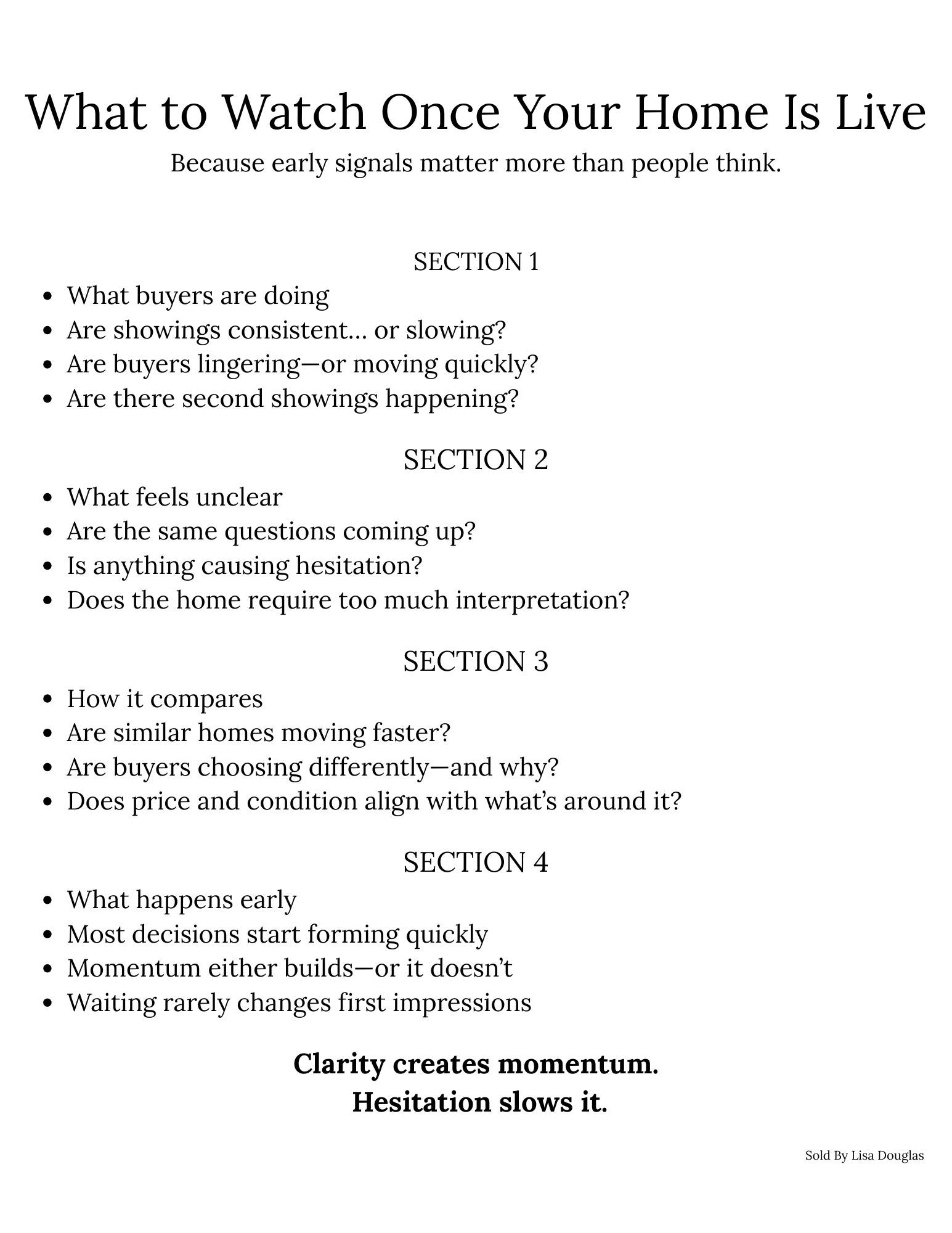
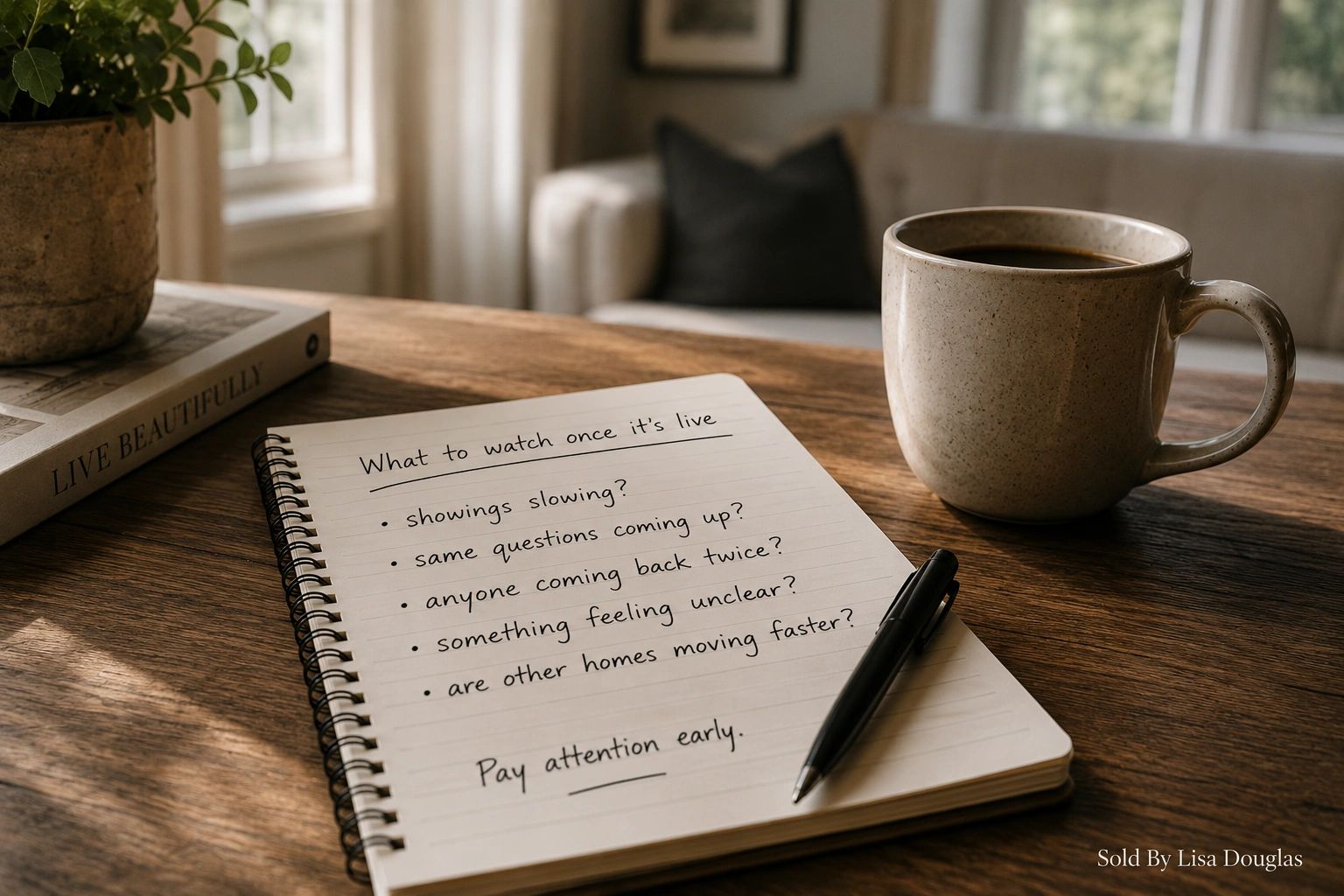
Here’s A simple way to track what matters once your home is live:

Why Waiting Feels Easier—But Costs More

It’s natural to want more time.

More exposure.
More feedback.
More certainty.

But time doesn’t always solve misalignment.

Sometimes it reinforces it.

And the longer that gap exists,
the more visible it becomes.

What Early Alignment Actually Does

When expectations and market response are aligned early:

  • decisions become easier
  • momentum builds instead of stalls
  • and the process feels more controlled

Not because everything is perfect.

But because it’s understood.

If You’re in This Moment

This is usually the point where things start to feel unclear.

Not drastically.

Just enough to question what to do next.

The conversation most sellers avoid isn’t about price.

It’s about alignment.

And having it earlier doesn’t create pressure—

It creates clarity.

Blog • May 7, 2026

Why Some Homes Feel Hard to Sell in NY

Why Some Homes Feel Hard to Sell—Before They Ever Hit the Market

Some homes feel easy.

Others feel… complicated.

Not because they won’t sell.
But because something about them doesn’t immediately make sense.

It’s Not Always About Price or Condition

When a home feels difficult to sell, the assumption is often:

  • it’s overpriced
  • it needs work
  • the market is slow

Sometimes that’s true.

But often, it’s something less obvious.

The Subtle Friction Buyers Pick Up On

Buyers don’t just evaluate facts.

They react to how a home comes together.

Things like:

  • layout that doesn’t flow naturally
  • updates that don’t align with the rest of the home
  • spaces that feel undefined
  • or decisions that create small points of confusion

Individually, they’re manageable.

Together, they create hesitation.

Hesitation Is What Slows a Sale

Buyers rarely say:

“Something feels off.”

Instead, they:

  • take longer to decide
  • compare more options
  • or move on entirely

Not because the home isn’t right—
but because it wasn’t clear.

Clarity Is What Changes Everything

When a home is positioned clearly:

  • buyers understand what they’re looking at
  • expectations align with reality
  • and decisions feel easier to make

That doesn’t require perfection.

It requires intention.

What This Means for Sellers

If a home feels “hard to sell,” the answer isn’t always:

lower the price
or change everything

Sometimes it’s about:

  • identifying what’s creating hesitation
  • and adjusting how the home is presented

Most homes don’t struggle because they lack value.

They struggle because that value isn’t being seen clearly.

Blog • May 7, 2026

What Happens Before a Listing Goes Live

What Happens Before a Listing Goes Live Matters More Than People Think

If you’re preparing to sell and wondering what actually matters before your home hits the market, this is where most of the outcome is decided.

There’s a common belief that once a home hits the market, everything starts to fall into place.

Photos go live.
Showings begin.
Offers follow.

But in reality, most of what determines how a home performs… happens before any of that.

Quietly.

Out of view.

The Market Doesn’t Just React—It Interprets

By the time a home goes live, buyers are already evaluating it within seconds.

Not just the price.

But:

  • how it’s presented
  • how it feels
  • how it compares
  • and how much effort they believe it will require

Those impressions aren’t formed randomly.

They’re shaped by decisions made before the listing ever appears.

The Decisions That Happen Early

Long before the first showing, there are choices being made:

  • how the home is introduced (or not introduced)
  • whether updates are done, delayed, or skipped
  • how condition is framed
  • how pricing is approached
  • what information is available—and what isn’t

Individually, they seem small.

Together, they create the entire first impression.

Why Timing Isn’t Just About the Market

Many sellers focus on when to list.

But timing isn’t only about interest rates or inventory.

It’s also about readiness.

Listing before key questions are answered can lead to:

  • hesitation from buyers
  • increased days on market
  • price adjustments that could have been avoided

Not because the home isn’t desirable—
but because it wasn’t positioned clearly from the start.

What Buyers Feel (But Don’t Always Say)

Buyers today are thoughtful.

They notice when:

  • something feels incomplete
  • information is unclear
  • condition and price don’t align

And when that happens, they don’t always ask questions.

They move on.

A Different Way to Think About “Going Live”

Instead of treating the listing date as the starting point…

It helps to think of it as the moment everything becomes visible.

Which means:

  • the decisions have already been made
  • the tone has already been set
  • and the outcome is already being shaped

Start Before You Start

If you’re preparing for a move, the most valuable work often happens before anything is public.

Understanding:

  • what matters in your specific market
  • how your home will be seen
  • and what decisions will actually influence the outcome

If you’re early in that process, this is a helpful place to begin:
Before You List Anything

A listing doesn’t start when it goes live.

It starts with the decisions made long before it ever does.

Common Questions

Should I fix my house before selling?
It depends on what will actually change the outcome. Not all updates add value, and some are better left to the next owner.

Can I sell a house as-is in New York?
Yes. Many homes are sold as-is, but how they’re positioned matters more than most people expect.

What affects how quickly a home sells?
Clarity, condition, pricing, and how the home is introduced to the market all play a role.

Blog • May 7, 2026

Sell As-Is or Renovate? What to Fix Before Selling in NY

How to Decide What’s Actually Worth It

If you’re deciding whether to sell your home as-is or make updates first, you’re not alone—this is one of the most common questions sellers face.

“Should we fix anything… or just sell it as-is?”

It sounds simple.

In reality, it’s one of the most misunderstood decisions in the entire process.

Why This Question Is So Misleading

Because it assumes there are only two options:

  • fix everything
  • fix nothing

And most homes don’t fall cleanly into either.

Especially in Putnam County and Northern Westchester, where many homes have:

  • age
  • deferred maintenance
  • older systems
  • or updates that were done at different times

The goal isn’t perfection.

It’s understanding what actually changes the outcome… and what doesn’t.

What Buyers Actually Care About Right Now

Today’s buyers are thoughtful.

They’re paying attention to:

  • monthly costs
  • condition of major systems
  • layout and usability
  • how much work they’ll need to take on after closing

That doesn’t mean they won’t buy a home that needs work.

They will.

But they’re far more selective about which kind of work they’re willing to take on.

What Usually Matters More Than Cosmetic Updates

In many cases, the decisions that impact value most aren’t the obvious ones.

They’re things like:

  • Roof, windows, and major systems
  • Septic condition and service history
  • Heating systems and efficiency
  • Anything that affects financing or inspections

These are the items buyers can’t easily ignore.

They also tend to influence:

  • how a home is perceived
  • how it appraises
  • and how smoothly a transaction moves forward

What Often Doesn’t Change the Outcome

This is where many sellers spend time and money unnecessarily.

Things like:

  • fully renovating kitchens or bathrooms
  • replacing perfectly functional (but dated) finishes
  • over-improving for the neighborhood

These updates can look nice.

But they don’t always translate into a meaningful return—especially if the home is being positioned correctly from the start.

The Middle Ground Most People Miss

There’s often a third option that isn’t talked about enough.

Not fully renovating.
Not fully as-is.

But making targeted, strategic decisions that:

  • remove red flags
  • improve first impressions
  • and allow buyers to see the home clearly

Sometimes that means:

  • addressing a specific concern
  • doing light preparation
  • or simply presenting the home in a way that makes sense for its condition

This is where strategy matters most.

Local Realities That Influence the Decision

In this area, details can shift the outcome more than expected:

  • What the Board of Health recognizes as bedrooms
  • Whether past work was permitted or documented
  • How a septic system will be viewed during inspection
  • The true carrying cost of waiting vs moving forward

These aren’t always obvious at first glance.

But they often determine:
what buyers focus on… and what they hesitate over.

Start With the Right Questions

Before deciding what to fix—or not fix—it helps to understand:

  • what buyers in your specific market are responding to
  • what could impact financing or inspections
  • where small changes could make a meaningful difference
  • and where spending more won’t change the outcome

If you’re working through these decisions, I’ve outlined a simple starting point here:
Before You List Anything

Clarity Changes the Outcome

The goal isn’t to do more.

It’s to do what matters.

Because the difference between “as-is” and “prepared” isn’t always about condition.

It’s about understanding how the home will be seen—and what will matter once it hits the market.

Every home presents differently.

And the right approach is rarely obvious from the outside.

But with the right clarity, it becomes a lot easier to move forward with confidence.

Common Questions

Should I fix my house before selling?
It depends on what will actually change the outcome. Not all updates add value, and some are better left to the next owner.

Can I sell a house as-is in New York?
Yes. Many homes are sold as-is, but how they’re positioned matters more than most people expect.

What affects how quickly a home sells?
Clarity, condition, pricing, and how the home is introduced to the market all play a role.

Blog • May 7, 2026

When the House Becomes the Decision

When the House Becomes the Decision

If you’re trying to figure out what to do with an inherited or family home in Putnam County or Westchester, this is usually where the uncertainty begins.

There’s a part of selling a home that doesn’t get talked about enough.

Not when everything is ready.
Not when the plan is clear.

But right in the middle of it—

When the house isn’t just a house anymore.

Sometimes it’s after a loss.
Sometimes it’s a parent aging out of a home they’ve lived in for decades.
Sometimes it’s years of “we’ll deal with it later” arriving all at once.

And suddenly, the question isn’t “Should we sell?”
It’s “What do we even do with this?”

Why This Feels So Overwhelming

Because it’s rarely just one decision.

It’s:

  • what to fix… and what not to
  • whether to sell as-is or invest in updates
  • how much the home is actually worth in its current condition
  • how long you can afford to carry it
  • and how quickly you need to move forward

Add in:

  • differing opinions from family
  • well-meaning advice from friends
  • investor offers that show up early
  • and a constant sense that you should be “doing something”

…and it becomes very easy to rush.

Not because you don’t care—
but because it all lands at once.

What Most People Don’t Realize (Until It’s Too Late)

In markets like Putnam County and Northern Westchester, there are details that matter more than people expect:

  • Septic systems and history – when it was last serviced, whether it meets current standards
  • Board of Health bedroom counts – what’s legally recognized vs what exists physically
  • Open or unpermitted work – things that can surface during a transaction and slow everything down
  • Carrying costs – taxes, utilities, insurance, maintenance… even for a home sitting empty
  • What buyers will overlook—and what they won’t

These aren’t always obvious upfront.

And they’re often discovered after a direction has already been chosen.

The Cost of Rushing It

The biggest mistakes I see aren’t about pricing.

They happen earlier.

Accepting the first offer because it feels like relief.
Spending money on updates that don’t change the outcome.
Clearing out an entire home before understanding how it could be positioned.
Waiting too long while costs quietly add up.

None of those decisions are made lightly.

They’re made under pressure.

A Different Way to Approach It

Before making any major decisions, it helps to slow this part down.

Not indefinitely.
Just long enough to understand:

  • what the home could sell for as-is
  • what (if anything) would meaningfully improve that number
  • what buyers in your specific area are actually looking for
  • and what path aligns best with your timeline, finances, and situation

If you’re in this position, I’ve outlined a simple starting point here:
Before You List Anything → (BeforeYouListAnything)

Because not every home needs to be renovated.
Not every home should be sold as-is.
And not every fast offer reflects the full picture.

Start With Clarity, Not Pressure

Every situation is different.

And most of the time, the challenge isn’t that the house is complicated—
it’s that the decisions surrounding it carry weight.

Financially.
Practically.
Emotionally.

Taking the time to understand your options before choosing one isn’t a delay.

It’s how better decisions get made.

Every home—and every decision surrounding it—deserves more than a rushed answer.

Common Questions

Should I fix my house before selling?
It depends on what will actually change the outcome. Not all updates add value, and some are better left to the next owner.

Can I sell a house as-is in New York?
Yes. Many homes are sold as-is, but how they’re positioned matters more than most people expect.

What affects how quickly a home sells?
Clarity, condition, pricing, and how the home is introduced to the market all play a role.

Blog • May 4, 2026

Kent NY Market, Honestly

Kent Market, Honestly.

A lot of buyers searching in Kent are still chasing the same dream they always were.

More land.
More privacy.
More quiet.
More breathing room.

And contrary to what many sellers fear, most buyers coming into Kent are not expecting perfection.

They understand older homes.
They expect quirks.
They know country properties often come with projects, maintenance, septic systems, wells, long driveways, and updates that happen over time.

That’s not what’s stopping people.

What stops buyers now is when the emotional value of a home and the financial reality of a home no longer feel aligned.

Because today’s buyers are doing math differently.

They’re mentally calculating:
“What will this house actually cost me emotionally, financially, and physically after closing?”

That question is quietly shaping the entire Kent market right now.

Homes that answer that question clearly — through pricing, presentation, condition, and overall strategy — are still creating strong reactions.

The hesitation usually begins where uncertainty takes over.

Every home — and every decision surrounding it — deserves more than a generic market estimate or a rushed strategy.

#KentNY
#PutnamCountyNY
#Sold_By_Lisa_Douglas

Blog • May 4, 2026

Carmel NY Market, Honestly.

Carmel Market, Honestly.

Some homeowners in Carmel are still expecting the market to respond the way it did a few years ago.

List high.
Create urgency.
Wait for buyers to stretch.

But buyers aren’t stretching the same way anymore.

Not because they disappeared.

Because today’s buyers are trying much harder to understand the true cost — financially and emotionally — of what comes after closing.

And that’s changing buyer behavior.

The first showing now happens online.
Photos matter more than ever.
Open house traffic on some listings has softened because buyers are making decisions earlier.

Some appraisals are also becoming less forgiving when pricing gets too far ahead of condition, location, or overall market support.

But here’s the important part:

This does NOT mean every home needs to be fully renovated or magazine-perfect to sell successfully.

Many buyers in Carmel still understand older homes.
Lake homes.
Homes with history.
Homes that may need updates over time.

What buyers are struggling with is uncertainty.

The homes creating the strongest reactions right now are the ones where expectations, presentation, pricing, and overall strategy feel aligned from the beginning.

That’s the difference.

Every home — and every decision surrounding it — deserves more than a generic market estimate or a rushed strategy.

#CarmelNY
#PutnamCountyNY
#Sold_By_Lisa_Douglas

Blog • May 1, 2026

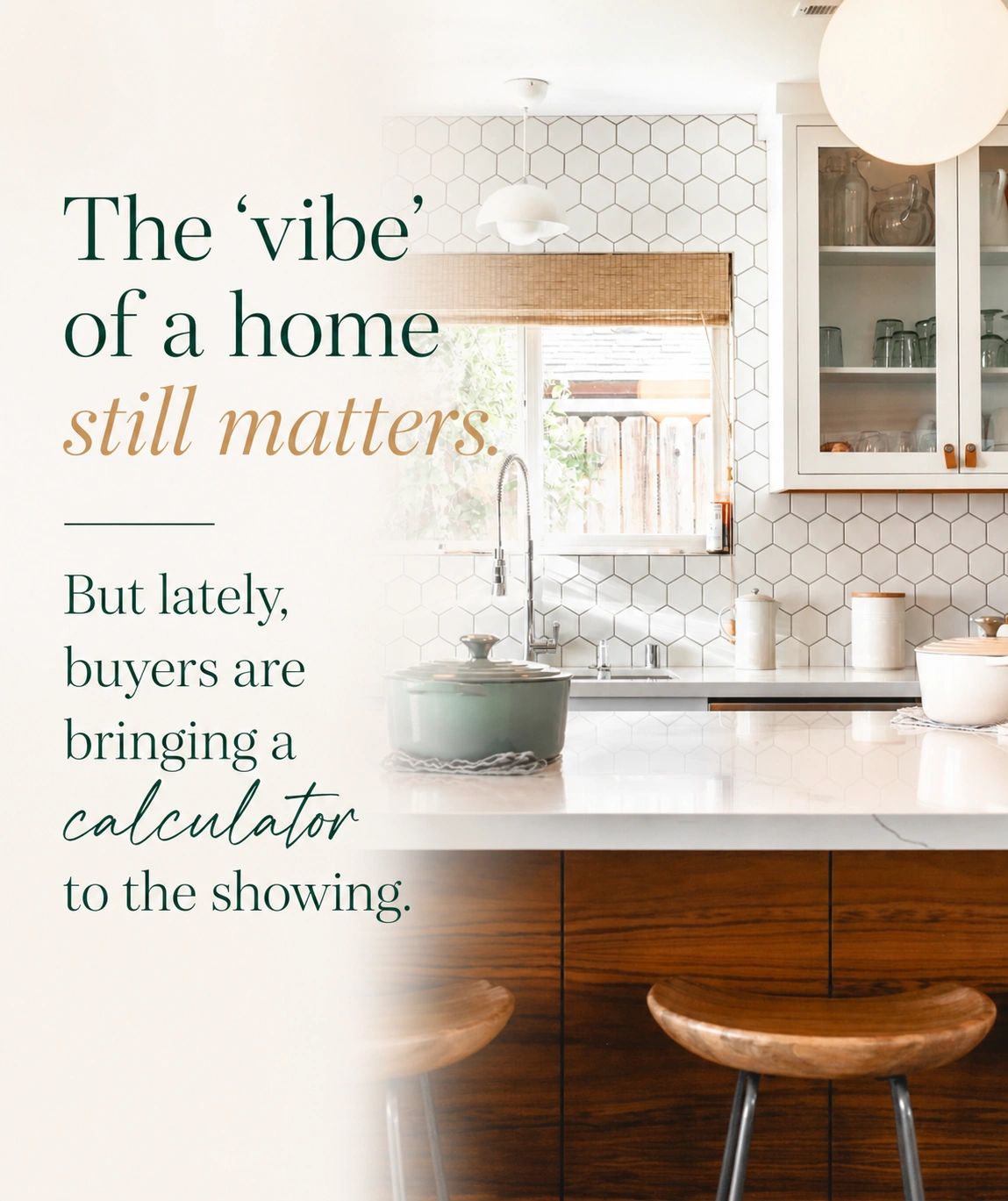
The “vibe” of a home still matters. But lately, ….

The “vibe” of a home still matters. But lately, buyers are bringing a calculator to the showing.

Buyers are walking through homes differently lately.

Not less emotionally.

Just more carefully.

They still notice the beautiful kitchen.
The property.
The natural light.
The feeling a home gives them when they first walk in.

But after that initial excitement fades, another layer of conversation tends to show up much faster now:

What will life here actually feel like month after month?

Not just emotionally.

Financially.

And honestly, I think that question is shaping buyer behavior more than people realize right now.

Across New York, many homeowners are feeling the weight of rising costs from multiple directions at once:
utilities
insurance
maintenance
fuel
taxes

As a result, buyers are paying closer attention to the operational side of homeownership than they once did.

Not because buyers suddenly expect every home to be perfect.

Most don’t.

But they do want to understand what they’re stepping into.

I hear more conversations around:

  • utility costs
  • roof age
  • HVAC systems
  • window efficiency
  • heating expenses
  • septic maintenance
  • overall monthly predictability

And honestly, I think that awareness is understandable.

This is also why I’ve long asked my sellers to complete detailed carrying cost and property information sheets before going to market.

Things like:

  • electric averages
  • oil or gas usage
  • roof updates
  • window replacements
  • HVAC ages
  • septic servicing records
  • flood insurance if applicable

Because buyers are not simply purchasing square footage.

They are stepping into the ongoing rhythm of living in that home.

And the homes creating the strongest buyer confidence right now are often not the homes pretending to be perfect.

They’re the homes where buyers feel the fewest unknowns.

That doesn’t mean every seller needs to renovate everything before selling.

Far from it.

Some homes stand apart because of updates and efficiency.

Others stand apart because they are honestly presented, thoughtfully maintained, priced appropriately, or offer location, land, flexibility, and potential buyers still deeply value.

But clarity itself has become incredibly important.

Because uncertainty feels expensive to buyers today.

And I think that subtle shift is quietly reshaping the market in ways many people haven’t fully recognized yet.

— Lisa Douglas
Howard Hanna Rand Realty

Blog • April 29, 2026

Why the Real Estate Industry Has a Trust Problem

Why communication, strategy, and trust matter more than ever in today’s market.

There’s a reason so many people say they “don’t trust realtors.”

And honestly, as someone who lives and breathes this industry, some of that frustration is earned.

For too long, parts of the industry have prioritized the transaction over the individual.

We’ve all seen the behaviors that create distrust:

  • overpromising on pricing just to win a listing
  • disappearing once the paperwork begins
  • pressuring people before they are emotionally or financially ready
  • treating homes like social media content instead of significant financial assets
  • prioritizing speed over strategy
  • talking more than listening

The problem is that real estate is never just about a house.

For most homeowners, a sale represents:

  • years of memories
  • accumulated equity
  • family transitions
  • uncertainty
  • timing decisions
  • and often, a tremendous amount of stress.

People don’t need pressure during those moments.

They need:
clarity,
communication,
preparation,
strategy,
and honesty about the market — even when it’s not the easiest conversation.

The strongest real estate relationships are never built on hype.

They’re built slowly through consistency, transparency, thoughtful guidance, and the ability to navigate important decisions with care.

I believe my role extends far beyond putting a sign in the yard or negotiating a contract.

My responsibility is to help protect your equity, position your property thoughtfully, and provide clarity during one of the most significant financial and emotional decisions many people will ever make.

Strategy matters.
Communication matters.
And trust matters most.

#Sold_By_Lisa_Douglas